Launch your healthcare career today! Get the Sterile Processing Starter Guide for just $4.99
Launch your healthcare career today! Get the Sterile Processing Starter Guide for just $4.99

Become a Certified Sterile Processing Technician —
Without a Degree
Break into healthcare in as little as 12 weeks using a proven,
self-paced certification path trusted by working hospitals.



Why Sterile Processing?
of operating rooms require sterile processing
Introducing the Sterile Processing
Fast Track™ Method

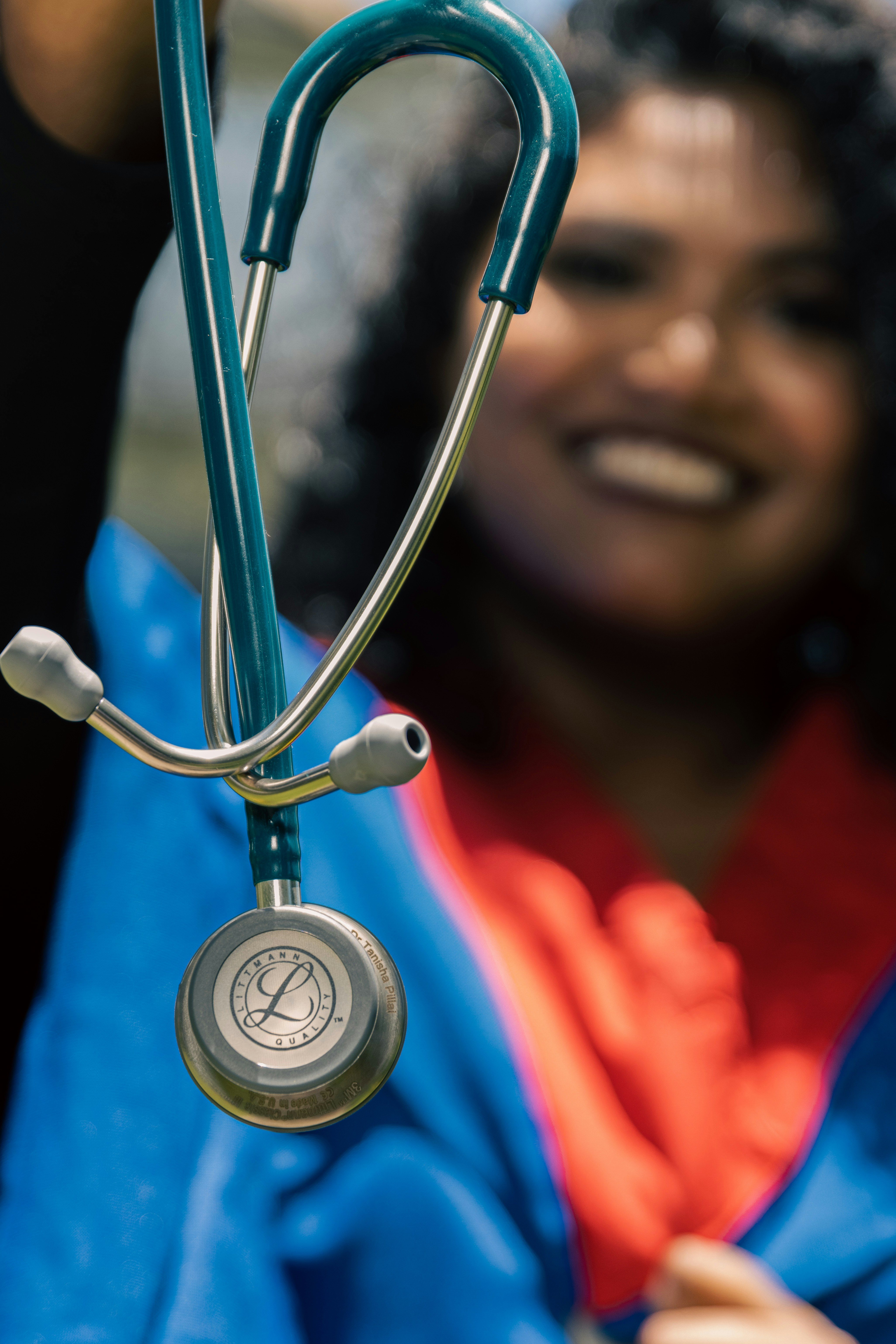
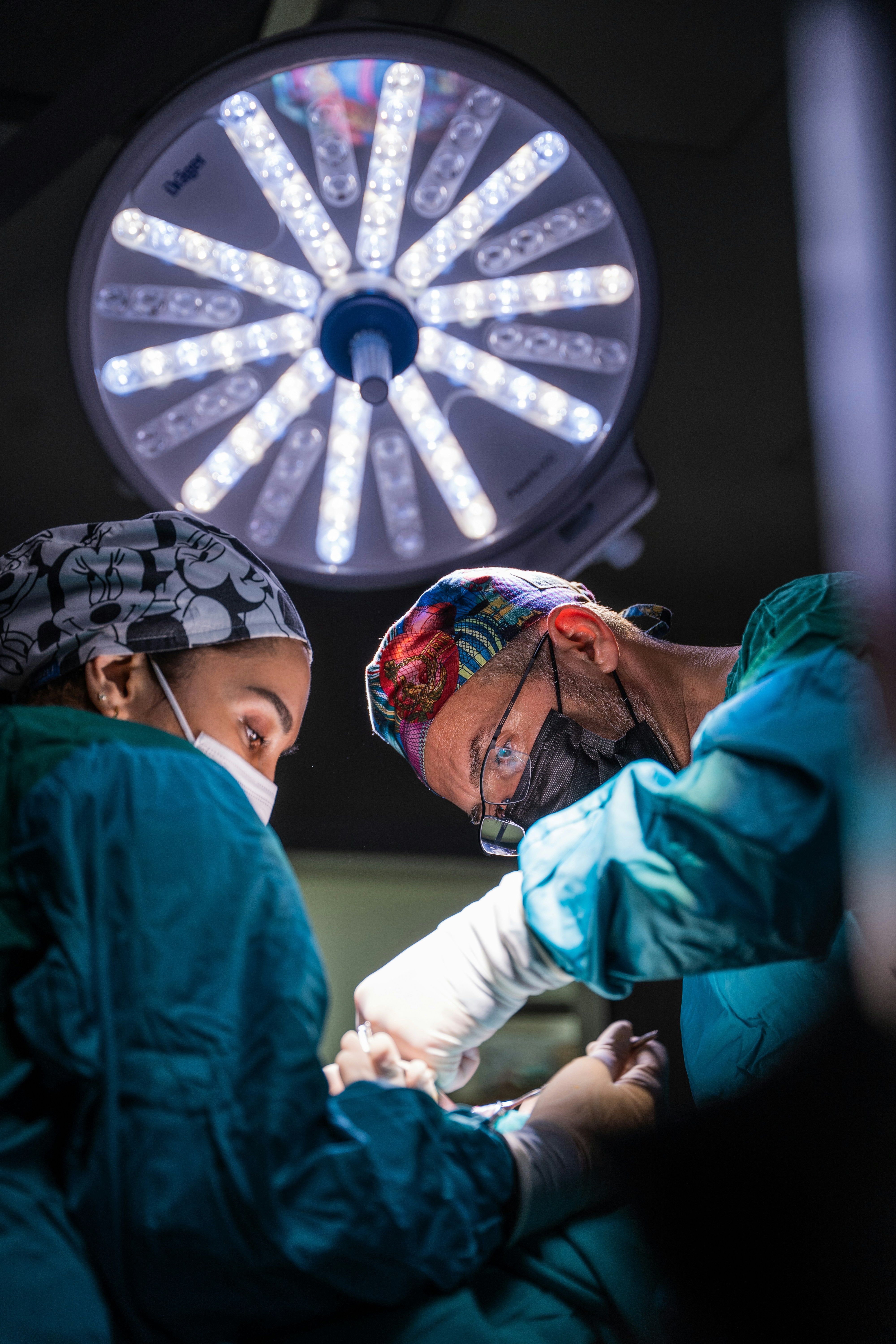
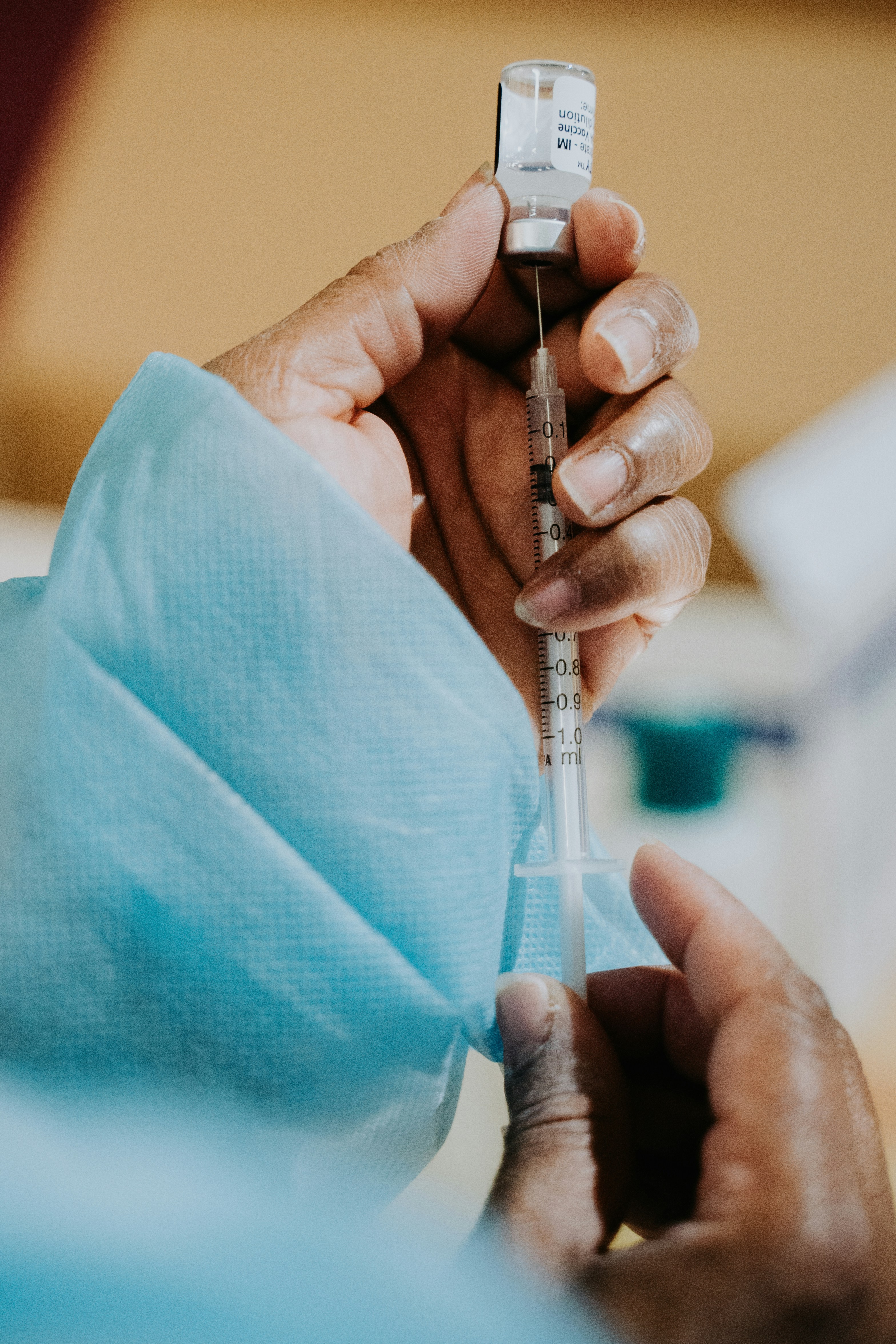
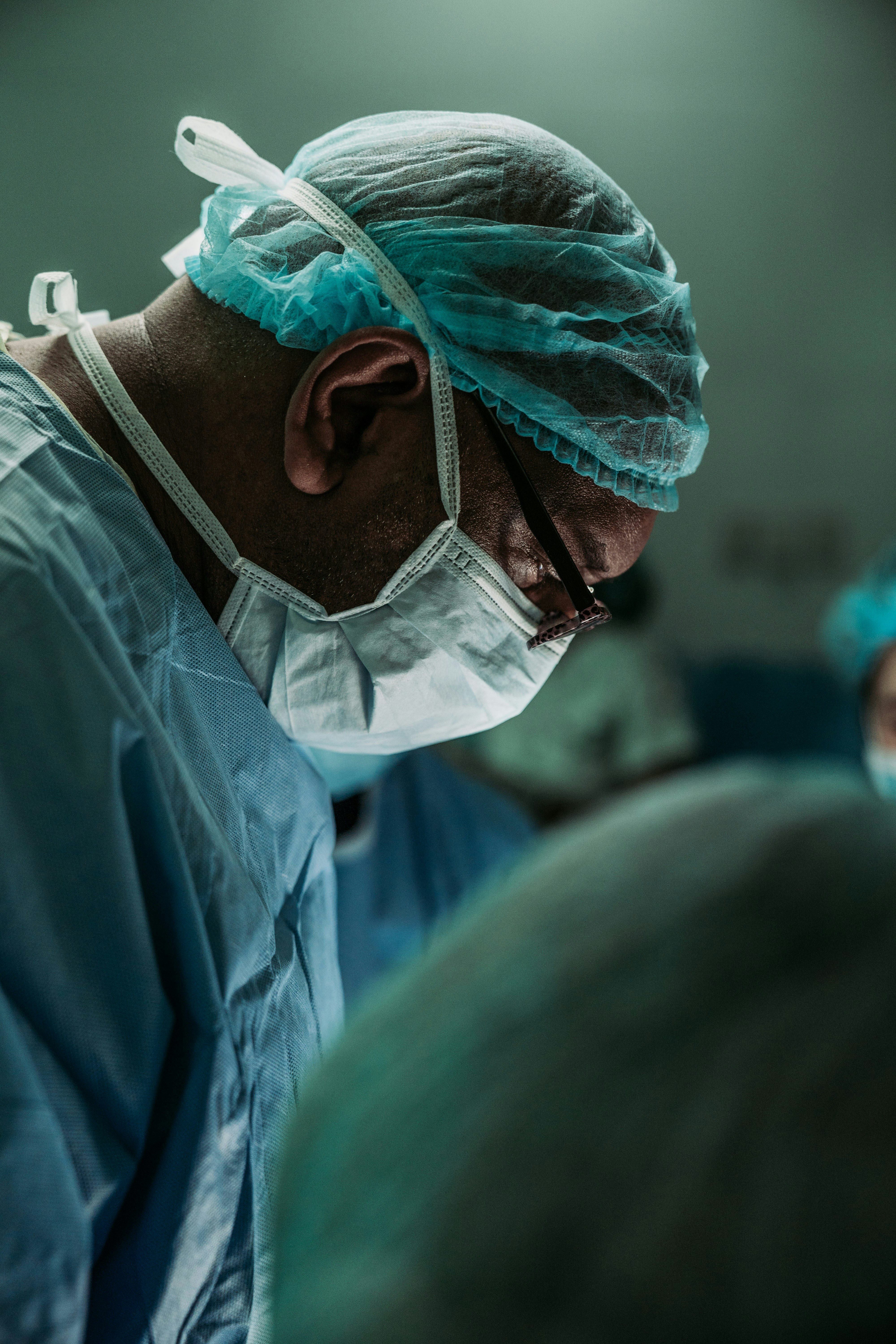
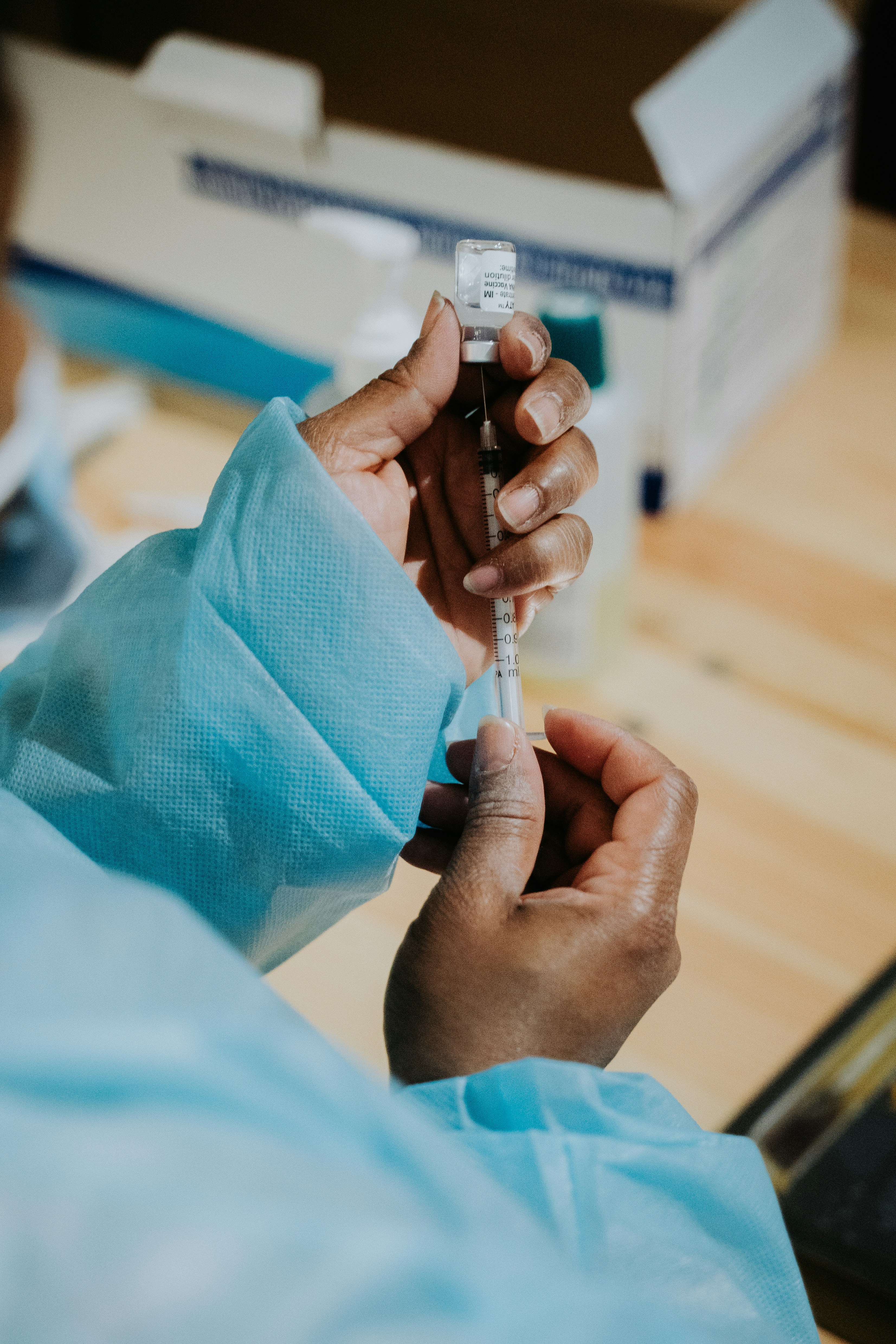
Learn
Master exactly what the exam and hospitals expect — without fluff or overwhelm.
Pass
Prepare confidently for the national certification exam at a Prometric testing center.
Apply
Get guidance, job resources, and hiring insight so you’re not navigating the job market alone.
Certified. Hired. Moving up.
This is what happens after the course.

Prepare for the National Sterile
Processing certification exam.

Pass with confidence.

Get hired faster.
Frequently Asked Questions
How much you could earn?
Once you are working as a central sterile tech and have gained several years of experience, you could find many opportunities to advance your career. And those advances could come with pay increases.
According to 2017 data, becoming a central sterile processing supervisor can mean earning an annual salary of $61,434. And sterile processing manager jobs can come with an average salary of $88,227. Some sterile processing techs also choose to become surgical techs. It’s a relatively easy transition to since the two positions have many of the same responsibilities. In fact, many surgical tech schools will consider applying credits from your CSP education, which could lower the amount of training that you need in order to become a surgical tech. While sterile processing technician jobs are focused on working with equipment from all areas of a hospital or medical facility, surgical tech positions are focused mainly on the operating room. They can help with preparing operating rooms and patients, assisting during surgeries, and cleaning up. And like sterile processing techs, surgical techs can expect good earnings and career opportunities.
Job growth is estimated at 14 percent between 2018 and 2022.
The average annual salary in 2016 was $45,940 with the top earners making $73,410 and higher.
Why work in a hospital?
While previous generations of healthcare workers were destined to spend their entire careers working in hospitals, today’s healthcare employees have many workplace options. So why should healthcare workers choose hospitals?
What are the benefits of short training programs?
One of the greatest benefits of sterile processing tech jobs is that schooling requires only a small amount of time in order to become certified. Sterile Processing certificate or diploma programs can be completed in as little as a 3 months.
Most sterile processing tech jobs require potential candidates to have at least a certificate. But some might require industry certification even though only 4 states require certification. So along with enhancing your employment opportunities, and increasing your pay, obtaining a certification is a great way to demonstrate your professional abilities.
What does it mean to be a certified and registered Central Service Technician (CRCST)
The CRCST certification is administered through the Healthcare Sterile Processing Association (HSPA) formerly IAHCSMM. You are required to complete a training program in addition to 400 hours of work experience either prior to writing the exam or within six months of completing it.
What is the Careers Future?
Techs can expect a healthy career outlook due to a growing and aging population, as well as increased access to health insurance, there is a greater demand for healthcare services.
Hospitals and other medical centers have also been experiencing an increase in hospital-acquired infections, partially due to an increase in antibiotic-resistant organisms. This has led to more emphasis being placed on proper sterilization and cleaning procedures, which means that there is a greater need for sterile processing technicians.
What will I be doing?
Depending on the hospitals in which they’re offered, many positions in this field can involve some responsibilities that vary from one another. However, in general, all the different job titles are interchangeable. Most positions require you to clean and sterilize surgical instruments and devices as well as assemble and test equipment and order supplies. Here is the main difference: Positions with job titles that say “certified” require you to have specific certification, where other positions may not require it.
What is the long term earning potential?
Considering the small amount of training that is needed to become a sterile processing tech, the earning potential within the field is excellent. In 2017, an average sterile processing technician salary was $34,950 for a full year of work. And the top ten percent of earners—which are likely the most experienced—brought in $49,480 and higher.
There are also other factors than can affect your earnings. For example, your work setting can determine your pay level. Sterile processing technicians who worked in outpatient care centers, state-owned hospitals, and specialty hospitals had average annual salaries exceeding $36,000 in 2017. And the top earners were bringing in $56,000 and higher.
Each module is designed to be clear, practical, and exam-focused — not academic busywork.
What's Included:
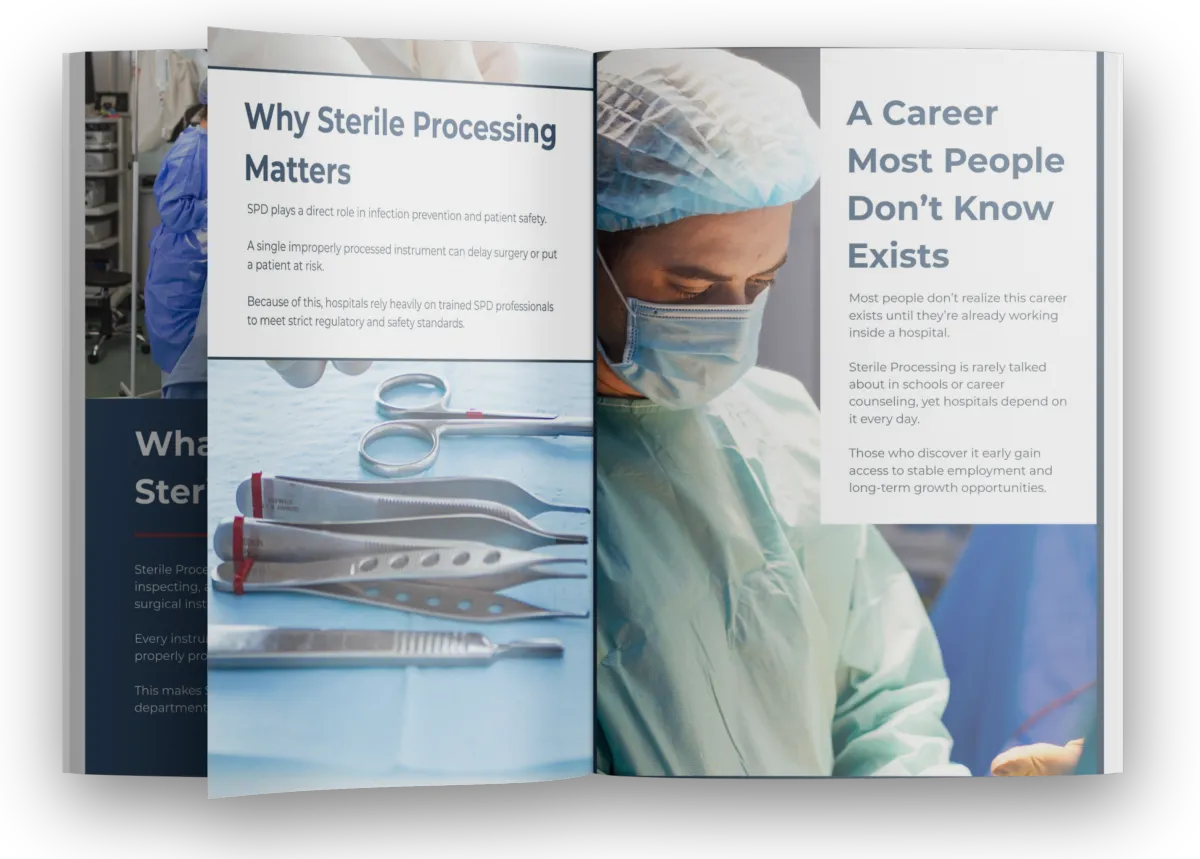
Sterile Processing Certification Prep Kit
22 self-paced training modules
Knowledge-check quizzes & progress badges
Certificate of course completion
Job listings & hiring resources by region
Access to a private student community
Optional coaching & career guidance upgrades
One-time payment: $97
Frequently Asked Questions
How much you could earn?
Once you are working as a central sterile tech and have gained several years of experience, you could find many opportunities to advance your career. And those advances could come with pay increases.
According to 2017 data, becoming a central sterile processing supervisor can mean earning an annual salary of $61,434. And sterile processing manager jobs can come with an average salary of $88,227. Some sterile processing techs also choose to become surgical techs. It’s a relatively easy transition to since the two positions have many of the same responsibilities. In fact, many surgical tech schools will consider applying credits from your CSP education, which could lower the amount of training that you need in order to become a surgical tech. While sterile processing technician jobs are focused on working with equipment from all areas of a hospital or medical facility, surgical tech positions are focused mainly on the operating room. They can help with preparing operating rooms and patients, assisting during surgeries, and cleaning up. And like sterile processing techs, surgical techs can expect good earnings and career opportunities.
Job growth is estimated at 14 percent between 2018 and 2022.
The average annual salary in 2016 was $45,940 with the top earners making $73,410 and higher.
Why work in a hospital?
While previous generations of healthcare workers were destined to spend their entire careers working in hospitals, today’s healthcare employees have many workplace options. So why should healthcare workers choose hospitals?
What are the benefits of short training programs?
One of the greatest benefits of sterile processing tech jobs is that schooling requires only a small amount of time in order to become certified. Sterile Processing certificate or diploma programs can be completed in as little as a 3 months.
Most sterile processing tech jobs require potential candidates to have at least a certificate. But some might require industry certification even though only 4 states require certification. So along with enhancing your employment opportunities, and increasing your pay, obtaining a certification is a great way to demonstrate your professional abilities.
What does it mean to be a certified and registered Central Service Technician (CRCST)
The CRCST certification is administered through the Healthcare Sterile Processing Association (HSPA) formerly IAHCSMM. You are required to complete a training program in addition to 400 hours of work experience either prior to writing the exam or within six months of completing it.
Is there flexible scheduling?
Central Sterile departments are sometimes open 24/7, which means that your schedule could be flexible—especially as you become more experienced as a sterile processing technician.
Are there opportunities to travel?
For those who like to travel, sterile processing jobs can be a great fit. There are a lot of companies that hire traveling sterile processing technicians to work on short-term contracts. Many healthcare organizations turn to medical staffing agencies and management companies to provide them with temporary sterile processing workers. In these situations, you are typically an employee of the staffing agency, which will work to find you new contracts on an ongoing basis.
Contracts tend to be about 13 weeks long, and they often pay much higher salaries than the national average (based on a search of current job postings in March 2017). Most contracts provide housing or offer live-out allowances while also covering travel expenses. Contract positions could take you just about anywhere within the country from California and Florida to Alaska and Hawaii. Pursuing travel contracts can be an excellent way to explore more of your country while performing critical work within medical establishments.
What is the Careers Future?
Techs can expect a healthy career outlook due to a growing and aging population, as well as increased access to health insurance, there is a greater demand for healthcare services.
Hospitals and other medical centers have also been experiencing an increase in hospital-acquired infections, partially due to an increase in antibiotic-resistant organisms. This has led to more emphasis being placed on proper sterilization and cleaning procedures, which means that there is a greater need for sterile processing technicians.
What will I be doing?
Depending on the hospitals in which they’re offered, many positions in this field can involve some responsibilities that vary from one another. However, in general, all the different job titles are interchangeable. Most positions require you to clean and sterilize surgical instruments and devices as well as assemble and test equipment and order supplies. Here is the main difference: Positions with job titles that say “certified” require you to have specific certification, where other positions may not require it.
What is the long term earning potential?
Considering the small amount of training that is needed to become a sterile processing tech, the earning potential within the field is excellent. In 2017, an average sterile processing technician salary was $34,950 for a full year of work. And the top ten percent of earners—which are likely the most experienced—brought in $49,480 and higher.
There are also other factors than can affect your earnings. For example, your work setting can determine your pay level. Sterile processing technicians who worked in outpatient care centers, state-owned hospitals, and specialty hospitals had average annual salaries exceeding $36,000 in 2017. And the top earners were bringing in $56,000 and higher.
What are the opportunities for advancement?
Once you are working as a sterile processing tech and have acquired several years of experience, you could find different opportunities to advance your career. And those advances could come with large pay increases. For example, according to 2017 data, becoming a sterile processing supervisor can mean earning an average annual salary of $41,434. And sterile processing manager jobs can come with an average salary of $68,227.
What kind of health benefits can I expect?
You will be working in the healthcare industry, therefore, central Sterile jobs provide great healthcare and dental benefits.
Why get your certification?
Certification helps meet these expectations of best healthcare practices. It also ensures that you possess the essential knowledge and skills necessary for managing critical departmental duties safely, effectively, and consistently as a Sterile Processing professional. What’s more, maintaining your certification status helps ensure that you are on top of the ever-evolving instrumentation, technology, standards, and best practices to keep your Sterile Processing department functioning at its peak performance.
Ready to Get Started?
You don’t need years of school.
You don’t need to figure this out alone.
If you’re serious about building a career in healthcare, this program gives you the structure and clarity
to move forward with confidence.
Message us
Feel free to reach out with any questions you may have.

Premier Central Services © 2022 – All Rights Reserved


